

What is EMDR?
EMDR, or Eye Movement Desensitisation and Reprocessing, is a psychotherapy approach that supports the processing of traumatic or overwhelming experiences that continue to feel active in the present. It works with memories, emotions, body sensations and beliefs, helping distress reduce and the experience feel more settled without erasing it from a person’s story.
Developed by psychologist Dr Francine Shapiro in the late 1980s, EMDR is now an internationally recognised, evidence-based treatment for trauma and PTSD.
What can EMDR support?
EMDR may be helpful when past experiences contribute to trauma symptoms, anxiety, panic, phobias, grief, intrusive memories, low self-worth, avoidance, shutdown or strong emotional and physical reactions. These experiences can affect relationships, sleep, school, work, confidence, regulation and everyday life.
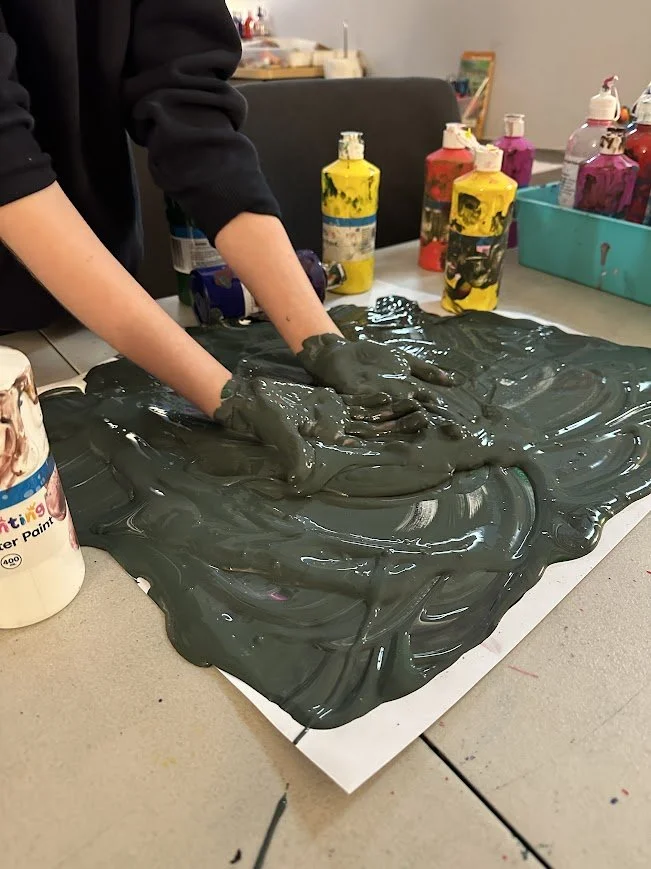
With children and young people, EMDR is adapted to their developmental, communication and sensory needs. Sessions may include drawing, metaphor, storytelling, play, movement, grounding and Interactive Drawing Therapy, allowing therapy to take place in creative and more-than-verbal ways.
Bilateral stimulation
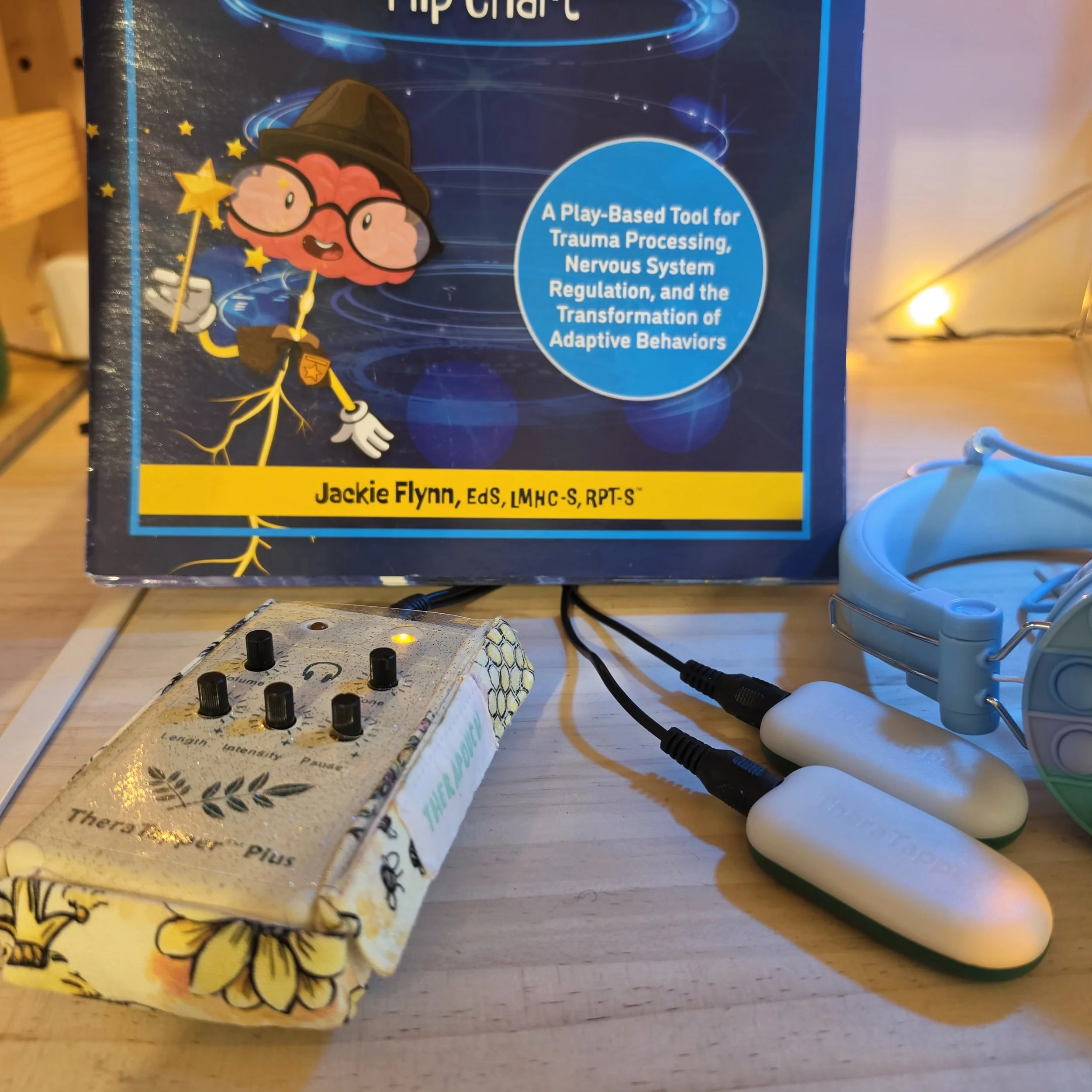
Bilateral stimulation is one part of EMDR therapy. It involves gentle alternating eye movements, sounds or tactile sensations while attending to selected aspects of a memory or experience. This may include guided eye movements, alternating sounds, bilateral drawing or handheld Thera-tappers.
Bilateral stimulation may also be introduced during preparation to support grounding and resourcing. The method and pace are adapted to each person’s needs and sensory preferences.
EMDR at HEARTH Studios
Sam offers EMDR primarily for children and young people and may integrate it with art-making, play, sensory approaches and movement. She has completed Level 1 and Level 2 EMDR training, along with further training in EMDR with children and young people, and is a member of the EMDR Association of Australia (EMDRAA).
Regular adult EMDR bookings are not currently available. A limited number of online or in-person sessions may be considered on request where appropriate.