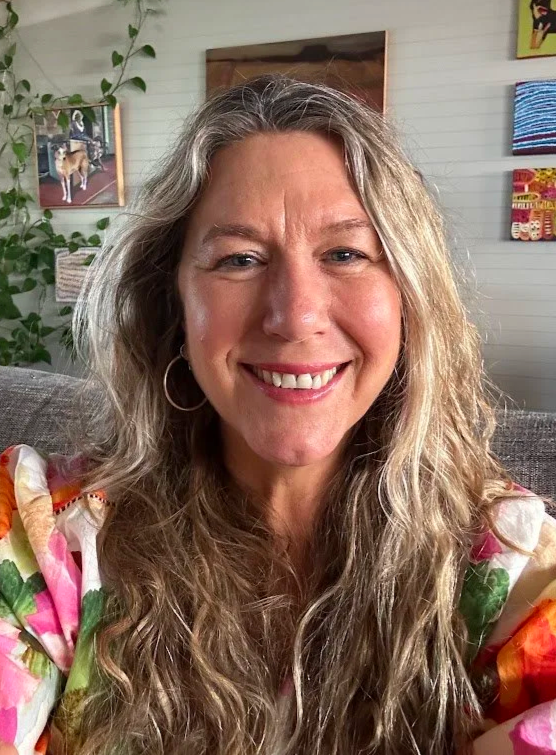
Hello from Sam
Creativity, image and story have been constants throughout my personal and professional life. Over more than 30 years, these have grown alongside psychotherapy, education, and trauma-responsive practice across schools, community services, and private and specialist settings. At the centre is an understanding that people communicate, process, learn and express themselves in uniquely different ways, and that meaningful therapy needs room for more than words.
As a therapist and creative, I bring these perspectives together through Art Therapy, EMDR, specialist education and supervision. I see children, young people and families, and collaborate with schools, professionals and service providers. My approach is relational, creative and client-centred, grounded in curiosity about each person’s story, lived experience and way of understanding the world.
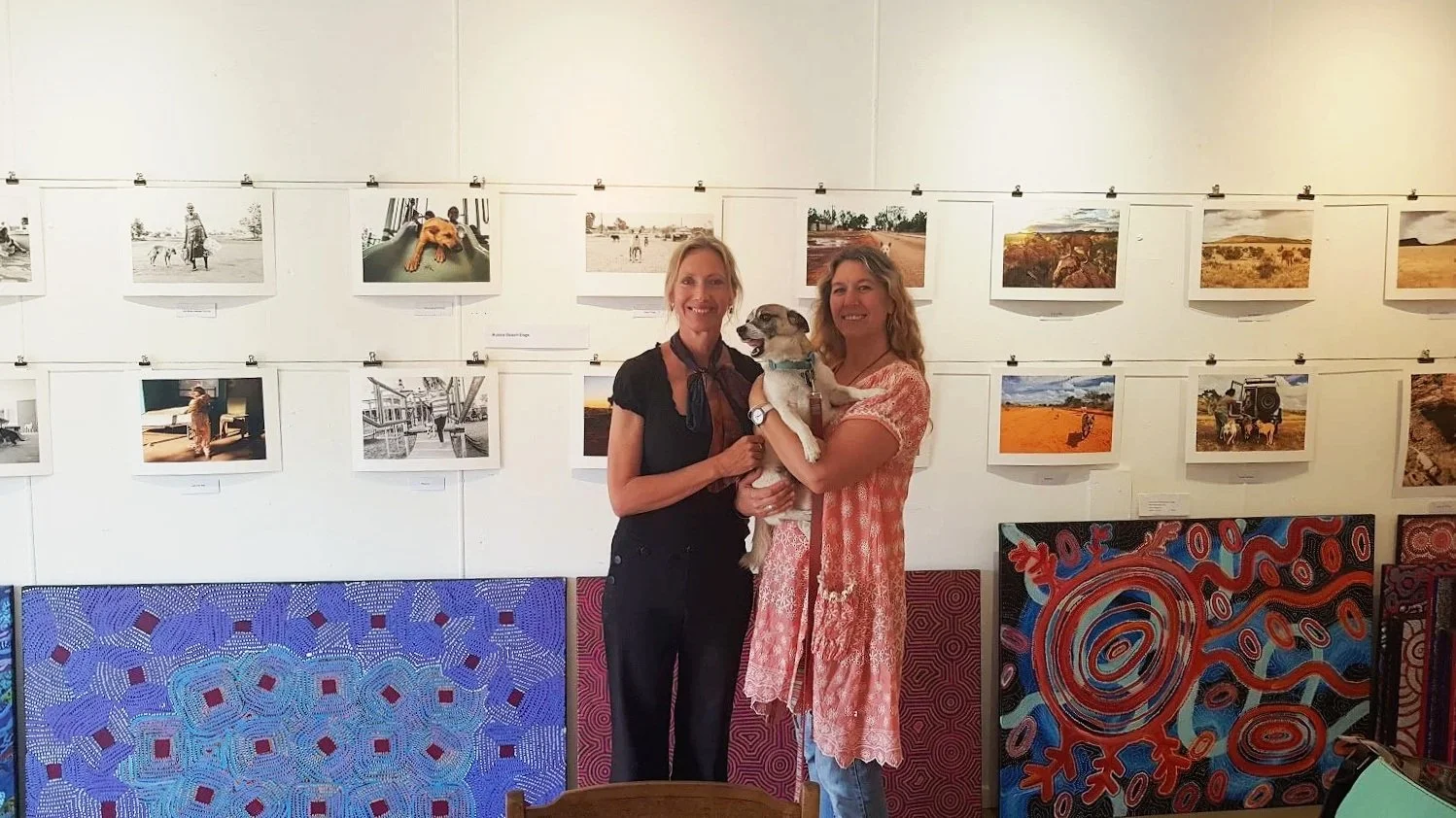
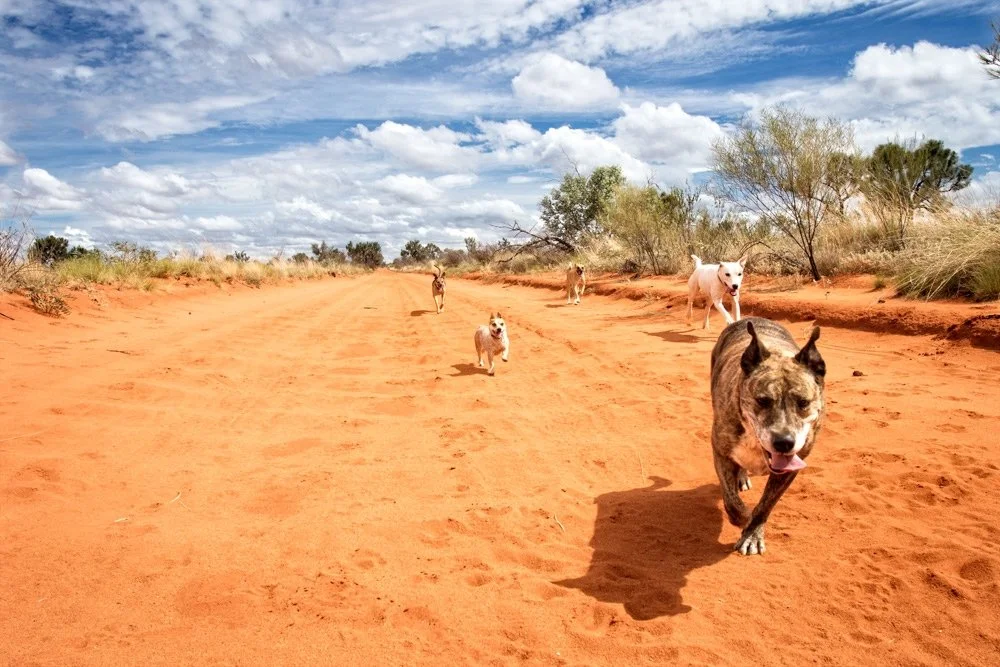
HEARTH Studios reflects this blend of therapy, education and creativity, as well as my connection to image, story and place. It is also home to Luna, my desert dog and much-loved sidekick. She is not usually present when clients visit; however, because she lives here, anyone with dog allergies should keep this in mind when considering therapy at HEARTH.
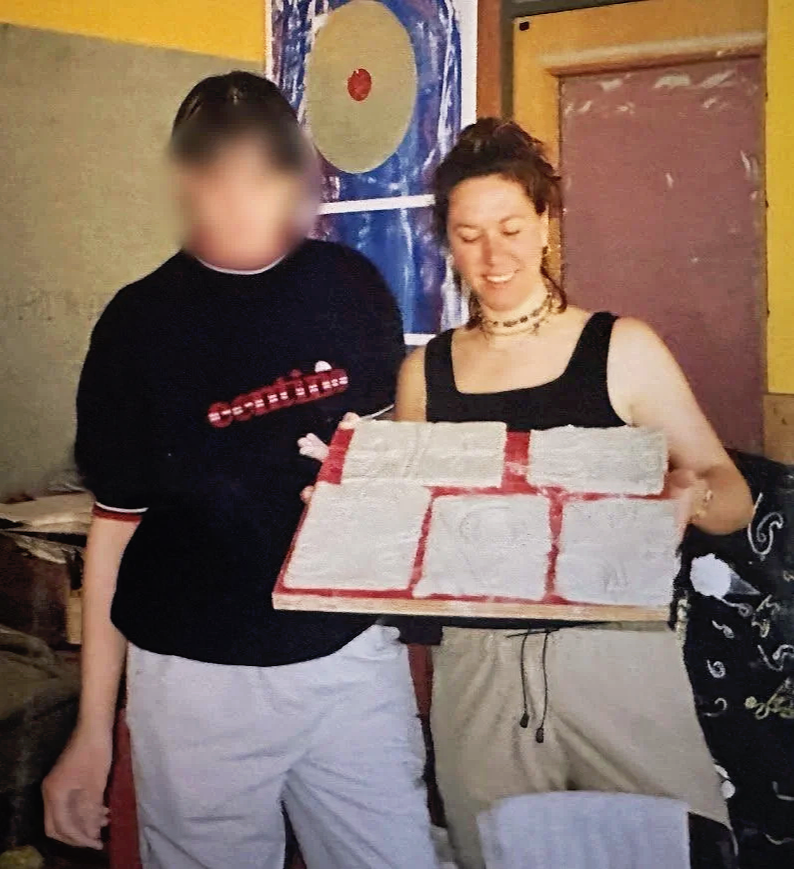
Connections through Art, Psychotherapy & Education
My career began in art and education in the UK, teaching children and young people in specialist and alternative education settings before moving into specialist learning, inclusion and consultation with Warwickshire Education Authority. I often met children whose behaviour, communication or difficulties participating could not be understood separately from their learning, relationships, environments and lived experiences.
This growing curiosity about what may sit beneath a person’s presentation drew me towards psychotherapy. I completed a three-year Master’s degree in Art Therapy and Art Psychotherapy at the University of Hertfordshire, where creativity, psychological theory, reflective thinking and the therapeutic relationship came together.
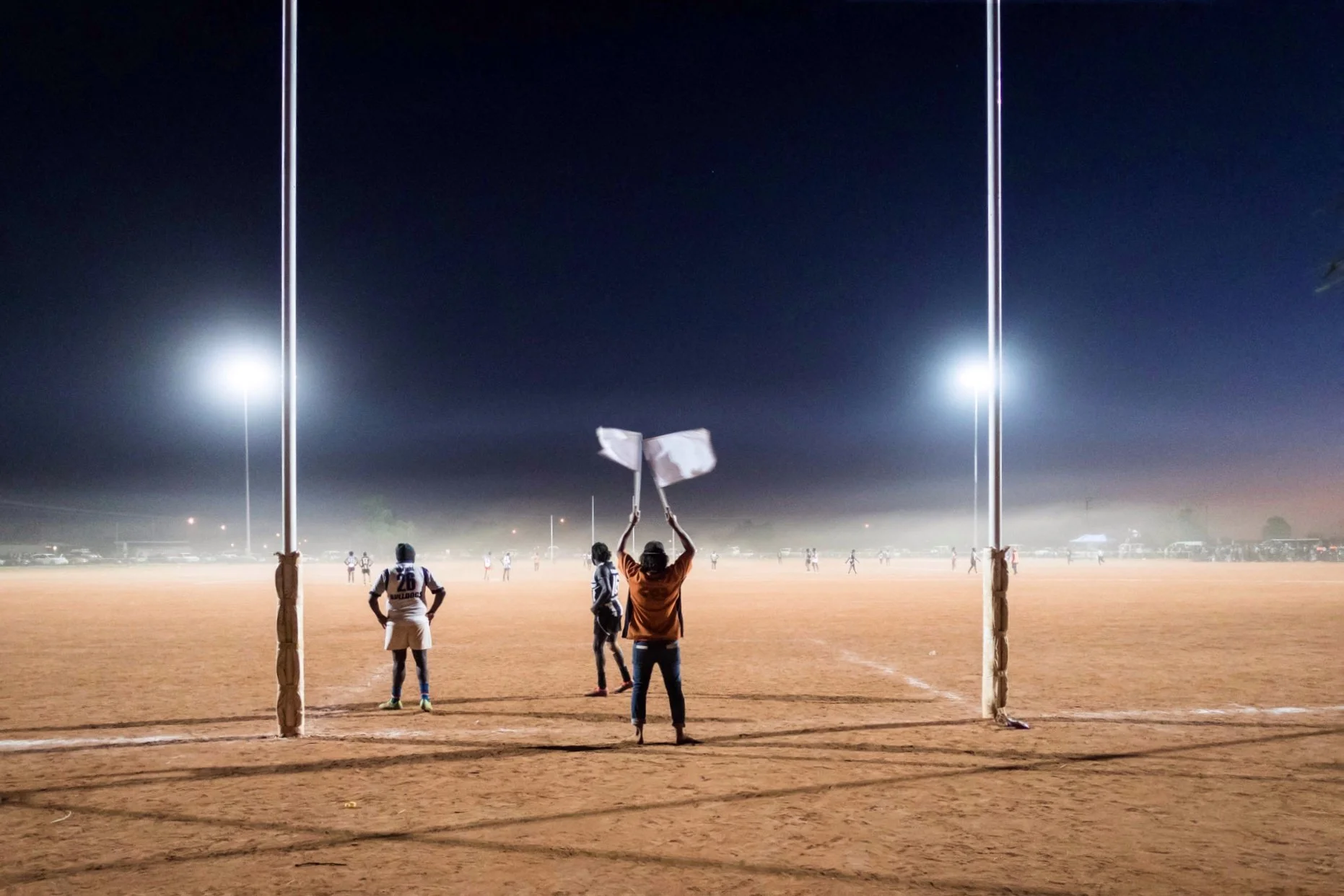
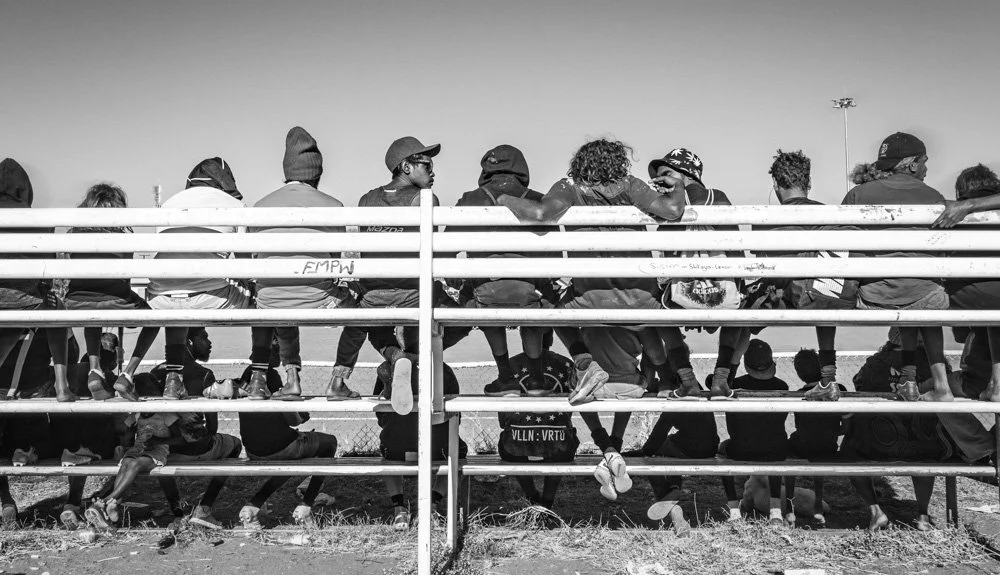
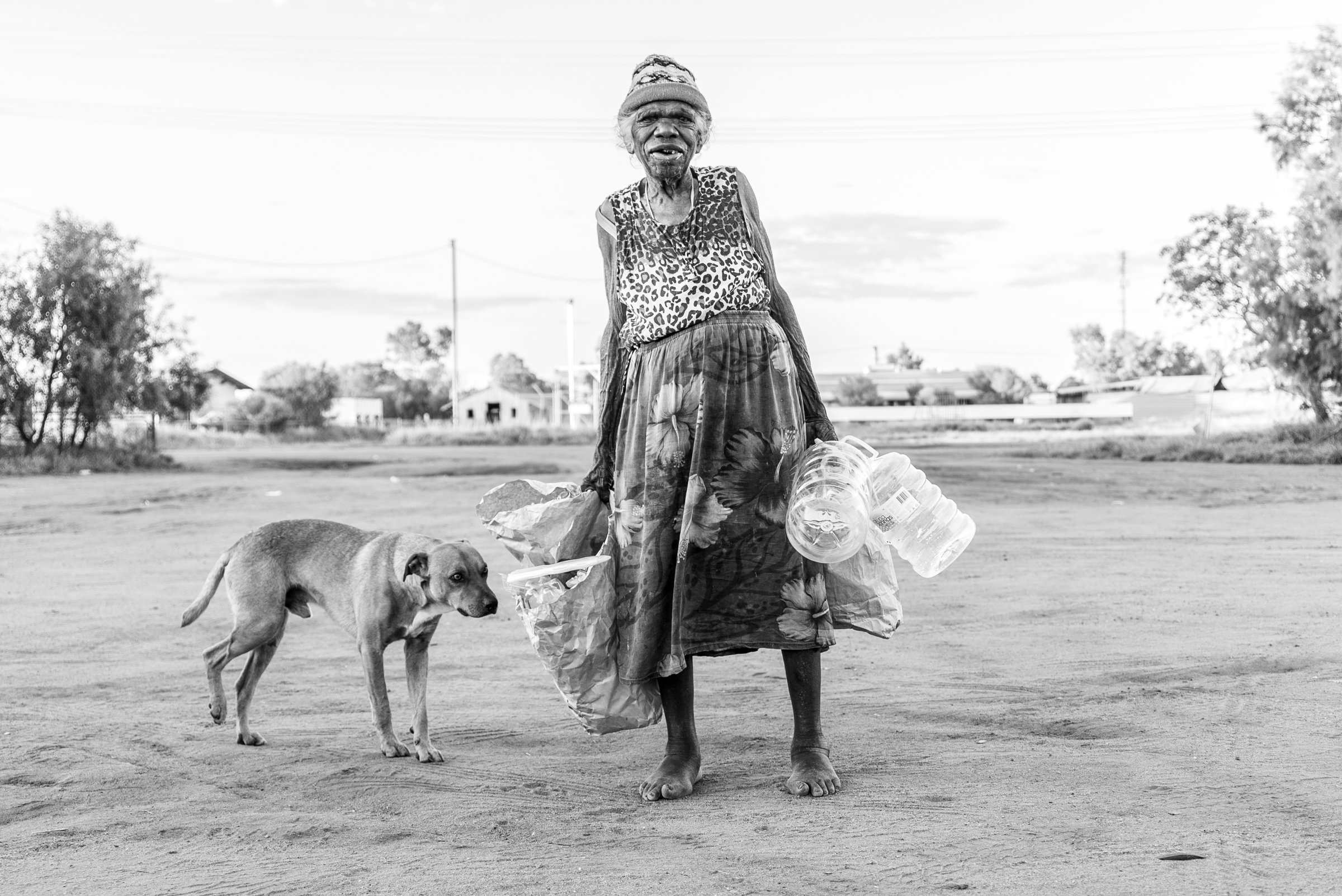
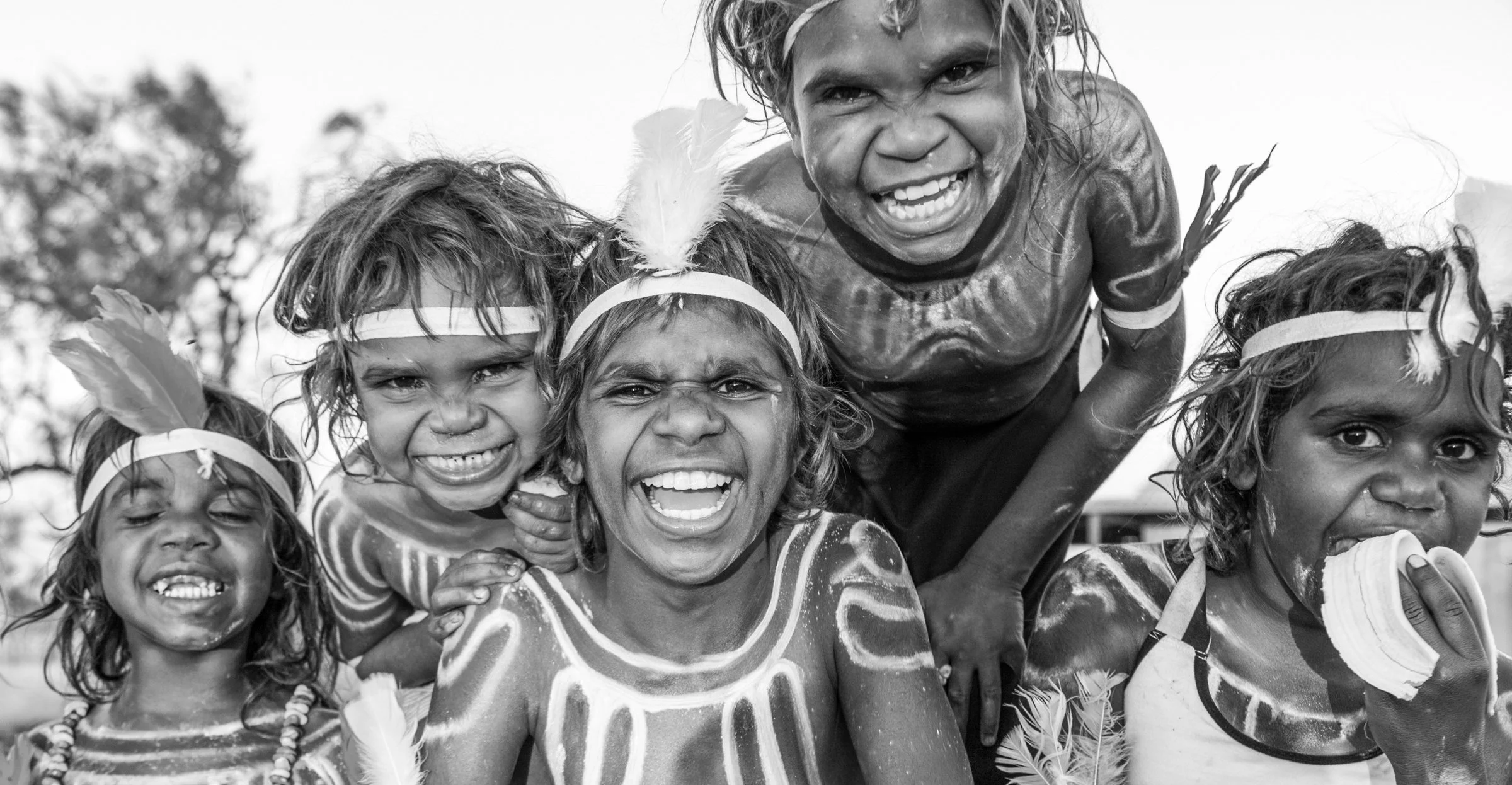
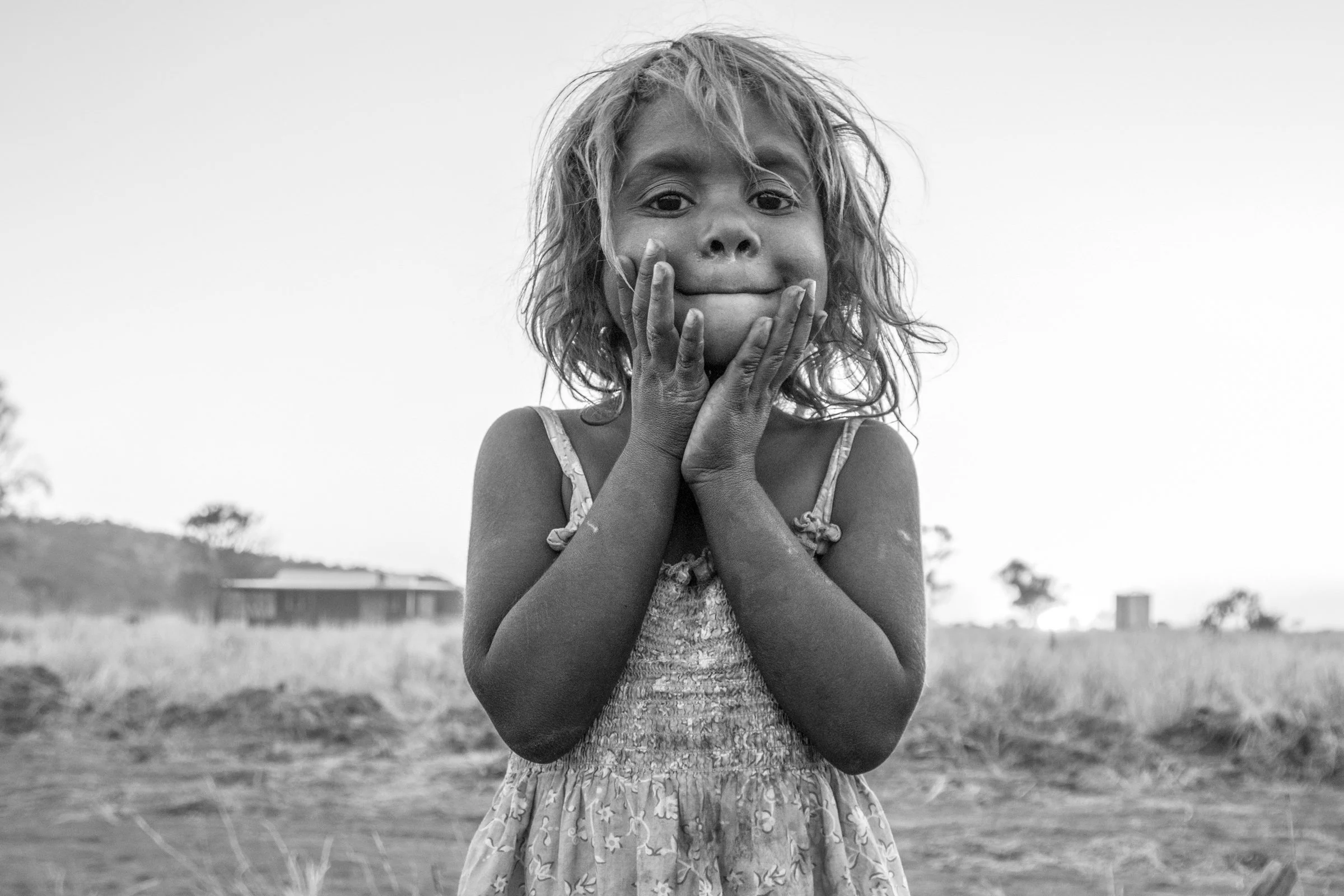
Since qualifying, I have practised across NHS, youth justice, community, disability, school and private therapy settings in the UK and Australia, including several years living and working in the Warlpiri community of Yuendumu in Central Australia. These experiences have deepened my interest in the intersections between trauma, attachment, communication, neurodevelopment, disability and education, while continually returning me to the importance of relationship, creativity and context.
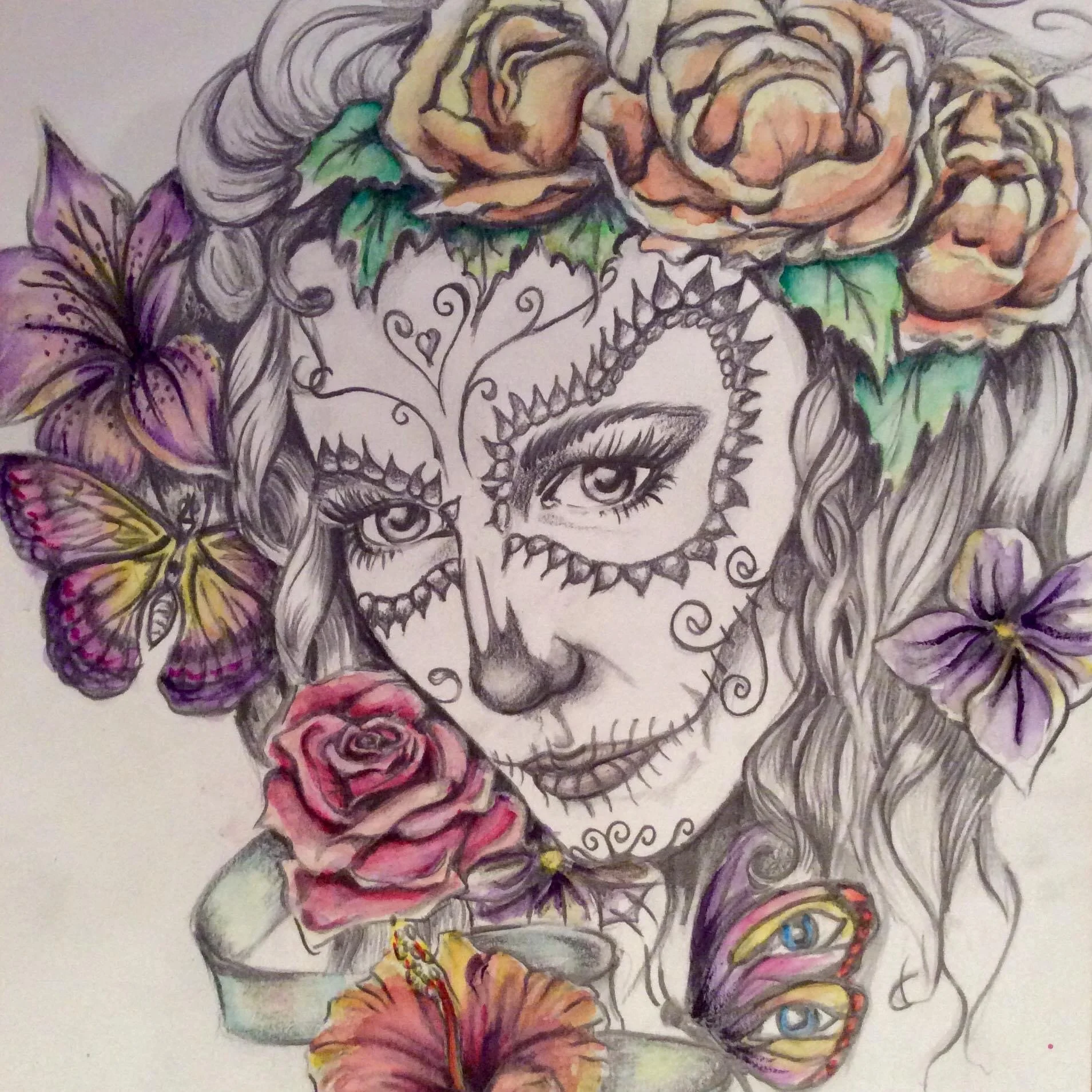
What guides my approach
Relationship sits at the centre of my approach. I pay close attention to how each person communicates, experiences their body and environment, connects with others and makes meaning. Art, image, metaphor, play, movement, sensory experience, conversation and silence may all become part of therapy.
I do not expect a person to fit a fixed model or communicate in a particular way. Therapy is shaped around the individual, with care for their identity, strengths, relationships, culture, capacity, communication and lived experience. Sessions may be active and exploratory, quiet and reflective, structured or open-ended.
Across therapy, education and supervision, I aim to offer enough structure to support emotional safety and enough openness for curiosity, expression and discovery.
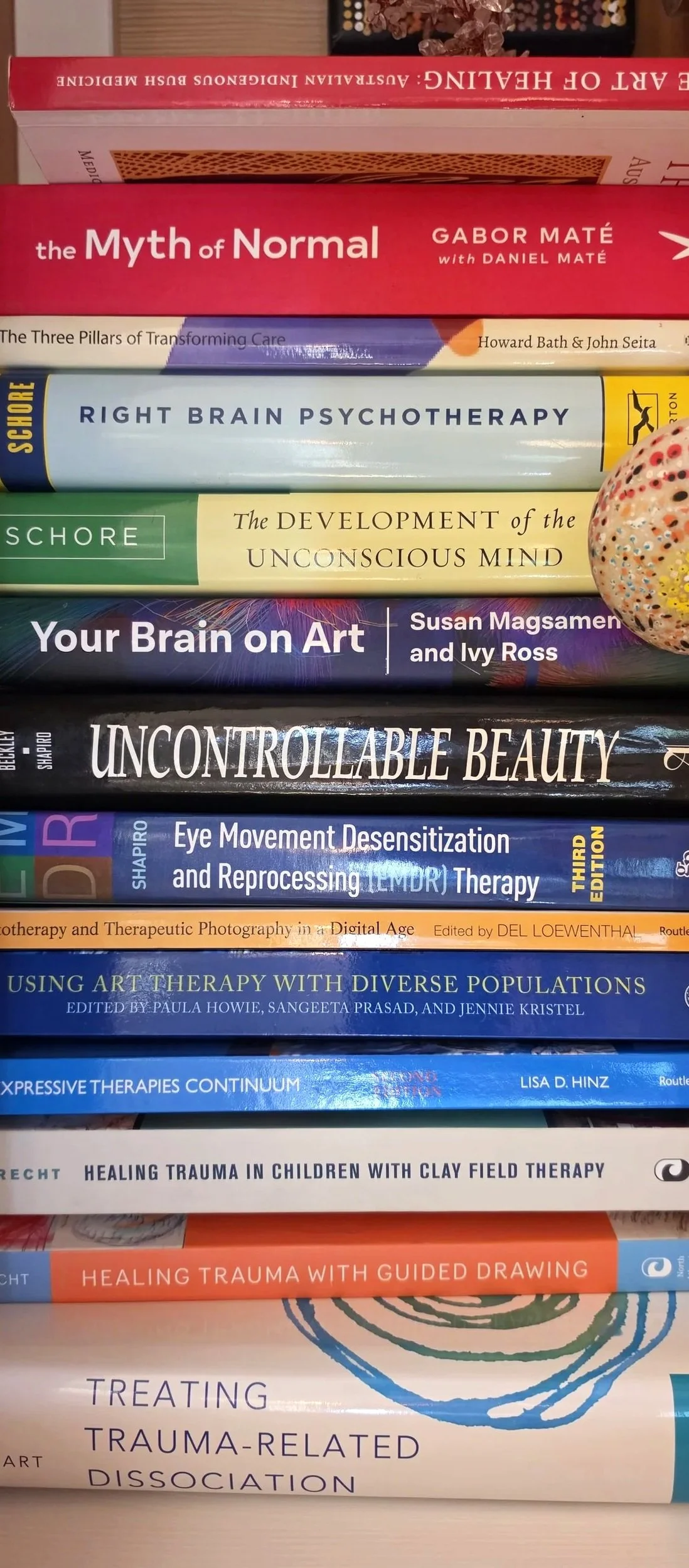
Qualifications and professional registrations
-
Master of Arts in Art Therapy, University of Hertfordshire, UK (awarded with distinction)
Postgraduate Certificate in Education, Secondary Art and Design, University of Birmingham, UK
Bachelor of Arts with Honours in Fine Art, Coventry University, UK
-
ANZACATA Professional Member
PACFA Clinical Registrant
HCPC-registered Art Psychotherapist, UK
Member of the British Association of Art Therapists
Member of the EMDR Association of Australia
Registered teacher in Victoria and qualified teacher in the UK
-
EMDR Levels 1 and 2
Interactive Drawing Therapy
ANZACATA clinical supervision training
Dialectical Behaviour Therapy-informed approaches
Trauma-responsive play therapy
Applying attachment theory in clinical and educational settings
Somatic approaches for complex trauma
Emotionally Focused Individual Therapy, Level 1
Complex Trauma Certification Training, Levels 1 and 2
Advanced trauma treatment for children and adolescents
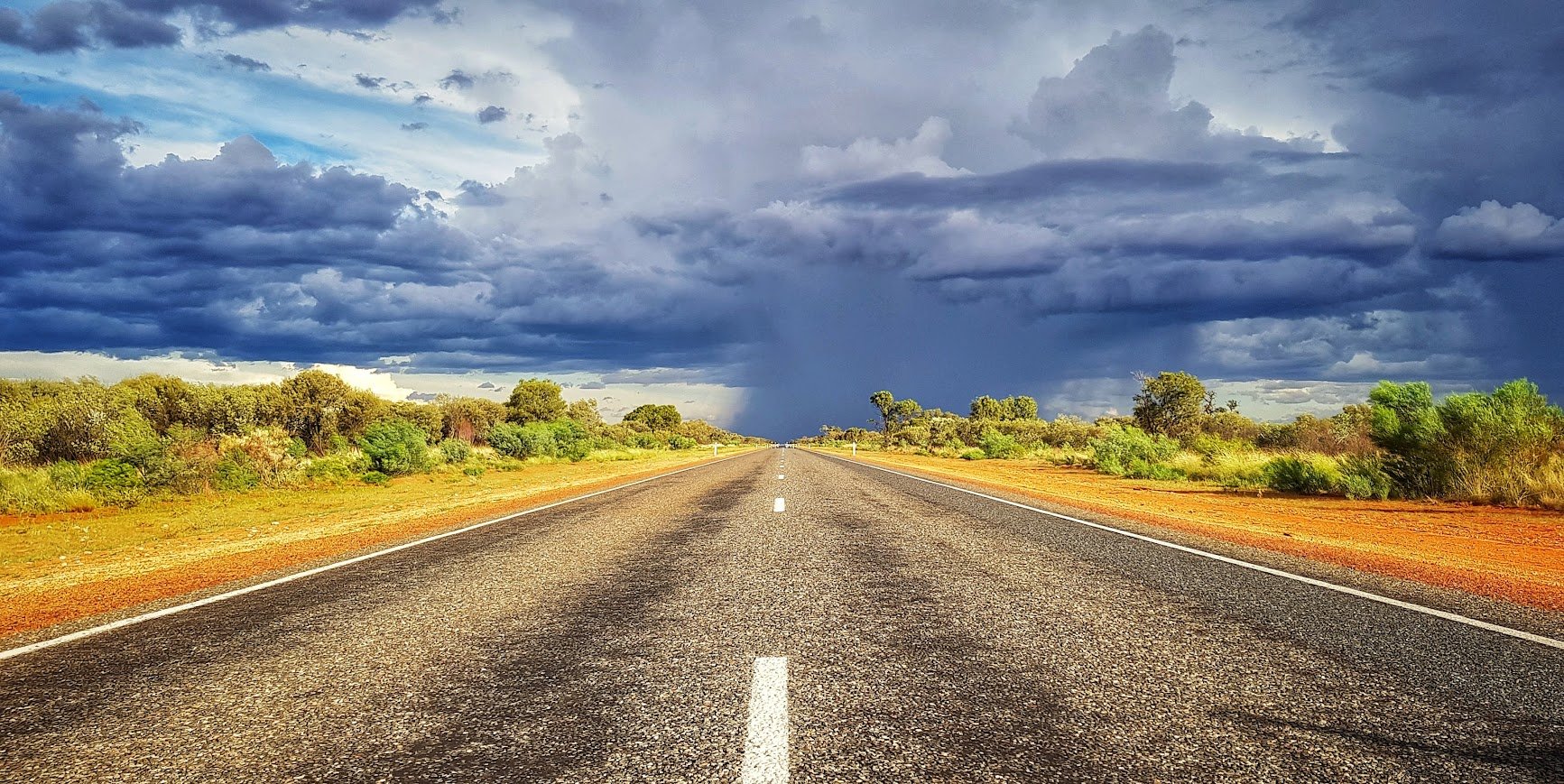
Photography by Sam Gummer