Supervision at HEARTH Therapy Studios

What Is Clinical Supervision?
Clinical supervision is a dedicated space for growth, reflection, and professional support. More than a procedural requirement, it is a core component of practice and a vital element of reflective and relational therapeutic work. It provides a non-judgemental environment where therapists can explore client work, navigate areas of uncertainty, sit with differing perspectives, and continue developing their clinical, relational, and ethical capacity with clarity and confidence.
Supervision is available for creative arts therapists, allied health practitioners, counsellors, mental health professionals, educators working therapeutically, and students studying mental health, art therapy, creative arts therapies, and related fields.
Why Supervision Matters
Supervision strengthens reflective capacity, supports safe and accountable practice, and helps therapists maintain boundaries, presence, and professional integrity. It provides a grounding anchor, particularly when working with complex or emotionally demanding material, assisting practitioners to think, feel, and respond with steadiness and clarity.
Supervision at HEARTH Therapy Studios
Supervision with Sam is grounded in a trauma-responsive and relationally attuned framework. It respects each practitioner’s unique cognitive, sensory, and relational ways of working and honours the varied ways individuals perceive, process, and express their inner world, as well as their relationship to the external environment.
A set of core principles and frameworks supports this approach:
Psychodynamic and relational principles
Analytic reflection, with attention to transference, countertransference, projection, and parallel process
Creative and symbolic meaning-making
A holistic, whole-therapist perspective
Trauma-responsive practice
Ethical and professional accountability in line with ANZACATA and PACFA guidelines.
In her role as supervisor, Sam supports therapists across the holistic breadth of their therapeutic role. Sessions offer space to think deeply, reflect creatively, and explore the emotional and relational layers that shape therapeutic encounters. Sam brings a grounded blend of psychodynamic understanding, analytic observation, creative process, and clinical experience, helping practitioners make sense of what emerges within themselves and their clients.
Creative and Reflective Approaches
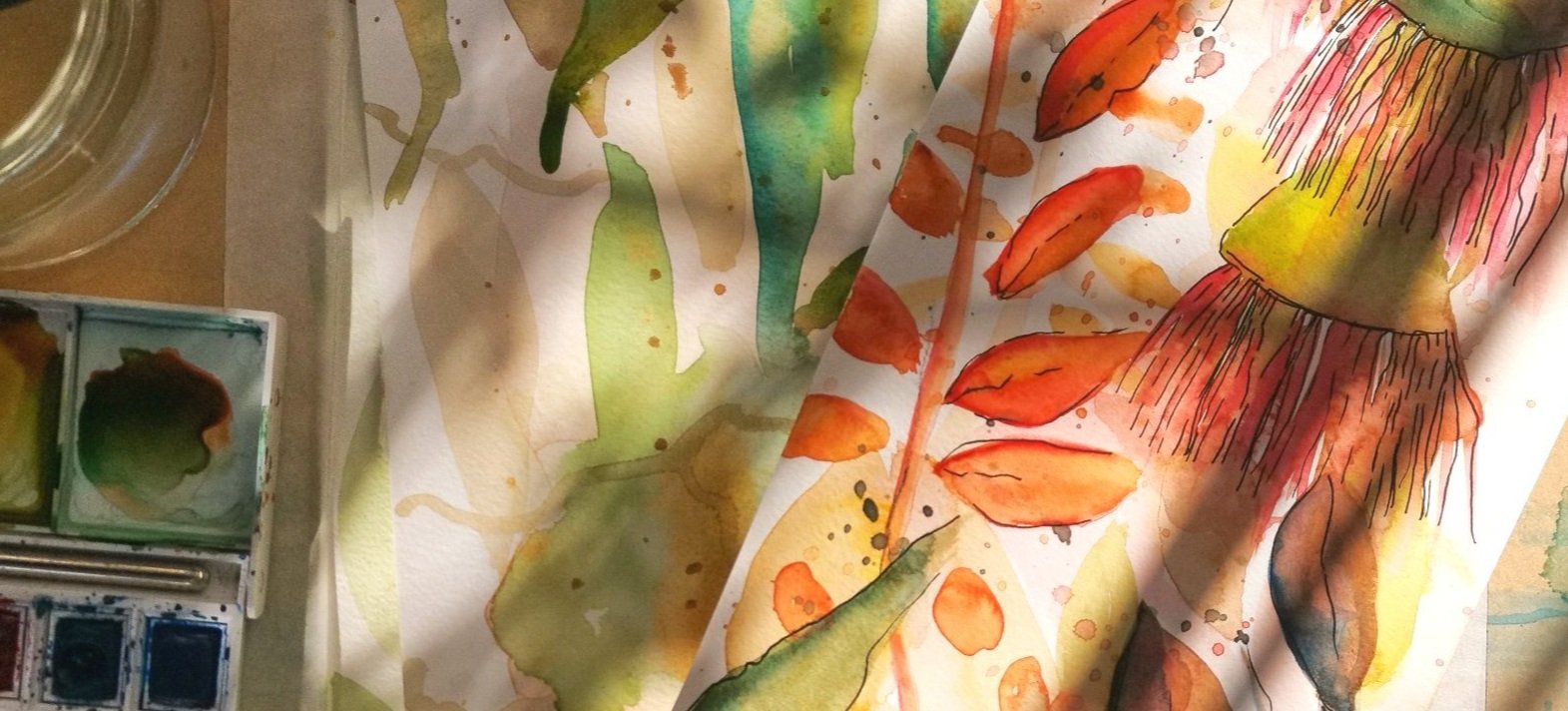
Creativity is woven throughout supervision, supporting practitioners in accessing insights beyond words. This may include:
• symbolic image-making
• metaphor and narrative
• sensory or embodied reflection
• process-based enquiry
• material exploration when relevant
These methods offer multiple pathways for understanding clinical material, allowing practitioners to access intuitive knowing, integrate symbolic meaning, and deepen their emotional and relational understanding of the work.

Supervision as Self-Care
Supervision is also a restorative space, offering a pause from the demands of practice. It provides containment, grounding, and emotional steadiness, supporting therapists to remain balanced, connected, and authentic in their work. It can help protect against burnout, reconnect practitioners with their purpose, and strengthen their presence within the therapeutic relationship.